We Know How Change Works — They Know How Culture Works
TL;DR: Experience tells you how the system works. It doesn't tell you how it's working right now. The practitioners who stay sharp over the long arc aren't the ones who stopped learning — they're the ones who got honest about who they needed to learn from.
There's a version of professional experience that becomes a liability.
Not because it stops being real. Because it stops being current. You've spent years learning how organizations actually function — not the org chart version, but the real version. Who has pull, who gets blocked, how decisions actually get made, what "yes" means versus what "yes" means in that room with that VP. That knowledge is hard-won and genuinely rare.
But knowing how the system works is not the same as knowing how it's working right now.
And right now is moving fast enough that the gap between those two things is where careers get stranded.
What experience actually gives you
If you've been in this work for ten or fifteen years, you're fluent in things that don't appear on any competency framework. Organizational politics. Stakeholder power maps. How to read a room that does not want to be read. How to move something through resistance without blowing up the relationships you'll need next quarter. How to survive a leadership transition without becoming collateral damage.
These aren't soft skills. They're hard-won pattern recognition. And they are genuinely difficult to teach.
The practitioner who's navigated three major reorganizations, two failed ERP implementations, and a merger that everyone in the C-suite called a "transformation" has something you cannot get from a certification program or a LinkedIn course. They know where the bodies are buried. They know which stakeholders say they're aligned until the moment it costs them something. They know how to protect a project when the executive sponsor goes quiet.
That knowledge matters. It will keep mattering.
But...
What experience doesn't give you
Younger colleagues are operating with fluencies that don't come from tenure. They understand how influence travels horizontally before leadership ever sees it. How identity and values shape organizational culture in real time — not as soft variables to manage, but as the actual operating system. How work gets done in hybrid-digital environments where the informal channel is often more consequential than the formal one. How to learn something fast, run an experiment, and move on before a committee has finished scoping the problem.
They don't learn the system. They route around it.
And they don't experience technology as a tool you pick up and put down. It's the medium they think in. AI fluency, for many of them, isn't a skill they're building — it's a reflex they're already running.
The AI shift has made this gap harder to ignore. When the most valuable capability in a room is the ability to make workflows faster, and when influence spreads digitally before anyone with a title has weighed in, knowing how things worked five years ago is not the same as knowing how things work today.
You can be deeply experienced and still out of date. You can be highly respected and still have something essential to learn from someone who hasn't yet earned their first performance review.
Reciprocal apprenticeship
There's a term that's been floating around for twenty years — reverse mentoring — and it's mostly been used to describe something awkward and performative. A senior leader agreeing to learn about social media from a twenty-six-year-old. The power dynamic never quite dissolves. The senior person tolerates it. Nobody pretends otherwise.
That's not what this is.
What actually works is reciprocal apprenticeship. A genuine exchange between people with different fluencies, where the flow goes both directions and both parties take it seriously.
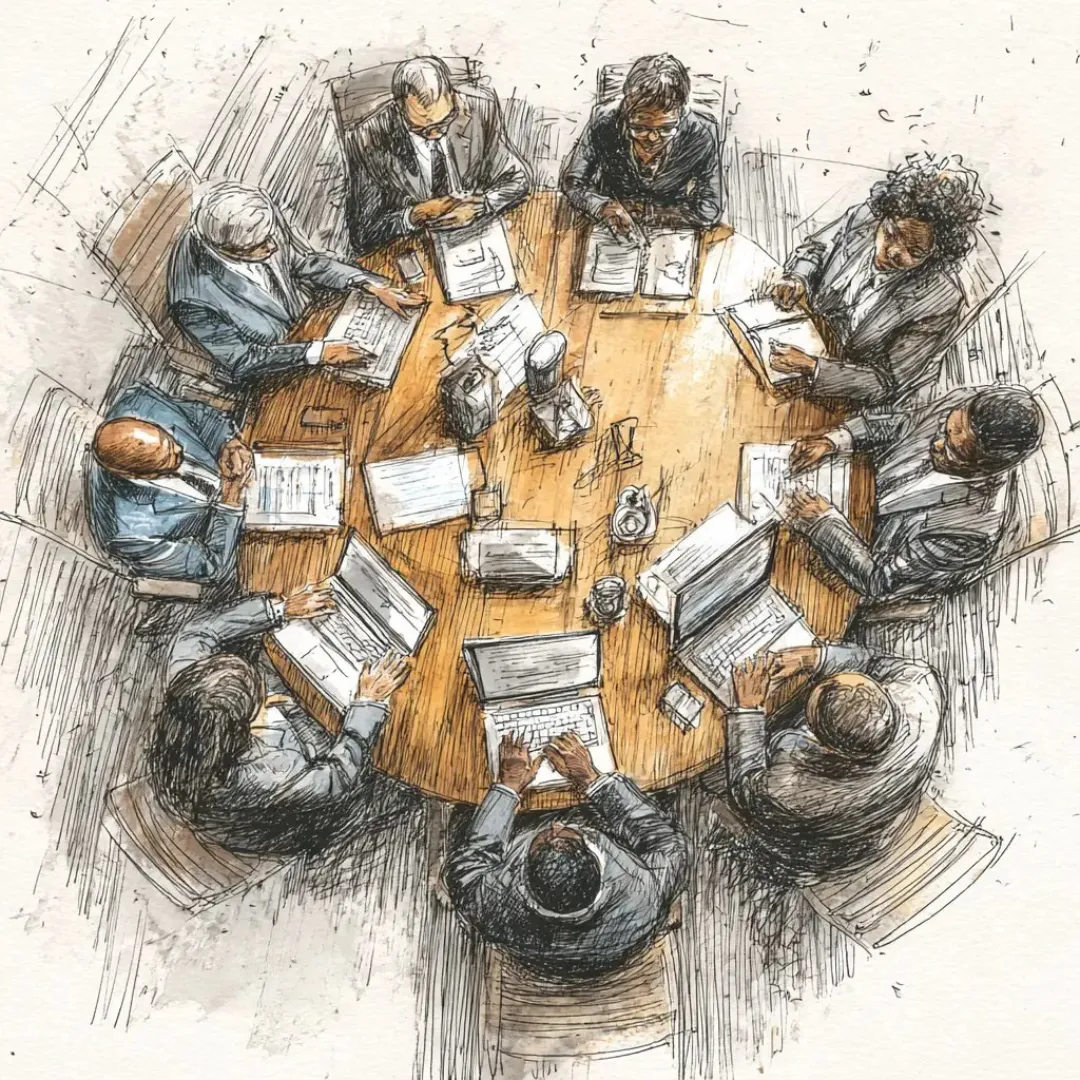
The experienced practitioner brings: how to navigate power. How to stay employed during chaos without losing your integrity. How to protect your voice in rooms that don't want to hear it. How to survive the system long enough to change it.
The younger colleague brings: how culture actually moves right now. How to operate at the speed the work demands. How to stay technologically and socially current in an environment that doesn't slow down to let you catch up.
The exchange, when it's honest, sounds something like: I'll show you how to survive the system. You show me how to change it.
That's not a mentoring relationship. That's a partnership.
How to start without making it weird
The reason most of these conversations don't happen isn't reluctance. It's that nobody knows how to initiate them without importing a hierarchy that doesn't belong there.
The simplest version: find a younger colleague whose instincts you've noticed and respected — someone who moves differently than you do, who navigates something you don't. Tell them that directly. Not "I want to learn about AI" or "I want to understand Gen Z" — those framings make them a resource, not a peer. Instead: "I've watched how you work and I think I have something to learn from you. I'd like to set up a monthly conversation where we go both ways. What you're navigating, what I'm navigating, no hierarchy, no performance dynamic."
Thirty to forty-five minutes. Once a month. Off the record. About actual work.
That's the container. What happens inside it is the learning.
The thing practitioners keep skipping
Change practitioners spend careers arguing that organizations need to stay teachable. That resistance to learning is where transformation dies. That the leaders who treat their current knowledge as complete are the ones who eventually become the obstacle.
We are not exempt from that argument.
The practitioners I've watched stay sharp over the long arc — not just competent but genuinely relevant — are the ones who kept updating their picture of how work works. Not just through reading or attending conferences, but through sustained, real relationships with people whose professional reality looks different from theirs.
Your title tells me where you've been. Who you learn from tells me where you're going.
ChangeGuild: Power to the Practitioner™