TL;DR: Most practitioners have eliminated the one thing that keeps them sharp, resilient, and inspired — unstructured time for learning, thinking, and connecting. The Royal Navy called it make and mend. They understood that the people running the ship needed regular maintenance, or eventually they couldn't maintain anything else. So do you.
The Royal Navy understood something about human endurance that modern organizations have completely forgotten.
In Patrick O'Brian's Aubrey-Maturin novels — twenty-one books that trace the friendship and adventures of Captain Jack Aubrey and ship's surgeon Stephen Maturin across the Napoleonic Wars — the life of the working sailor is rendered in extraordinary detail. The watch schedules. The hierarchy. The brutal physical demands of keeping a wooden warship alive and moving across thousands of miles of open ocean. O'Brian spent decades getting all of it right, and it shows on every page.
One of the details he captures is make and mend.
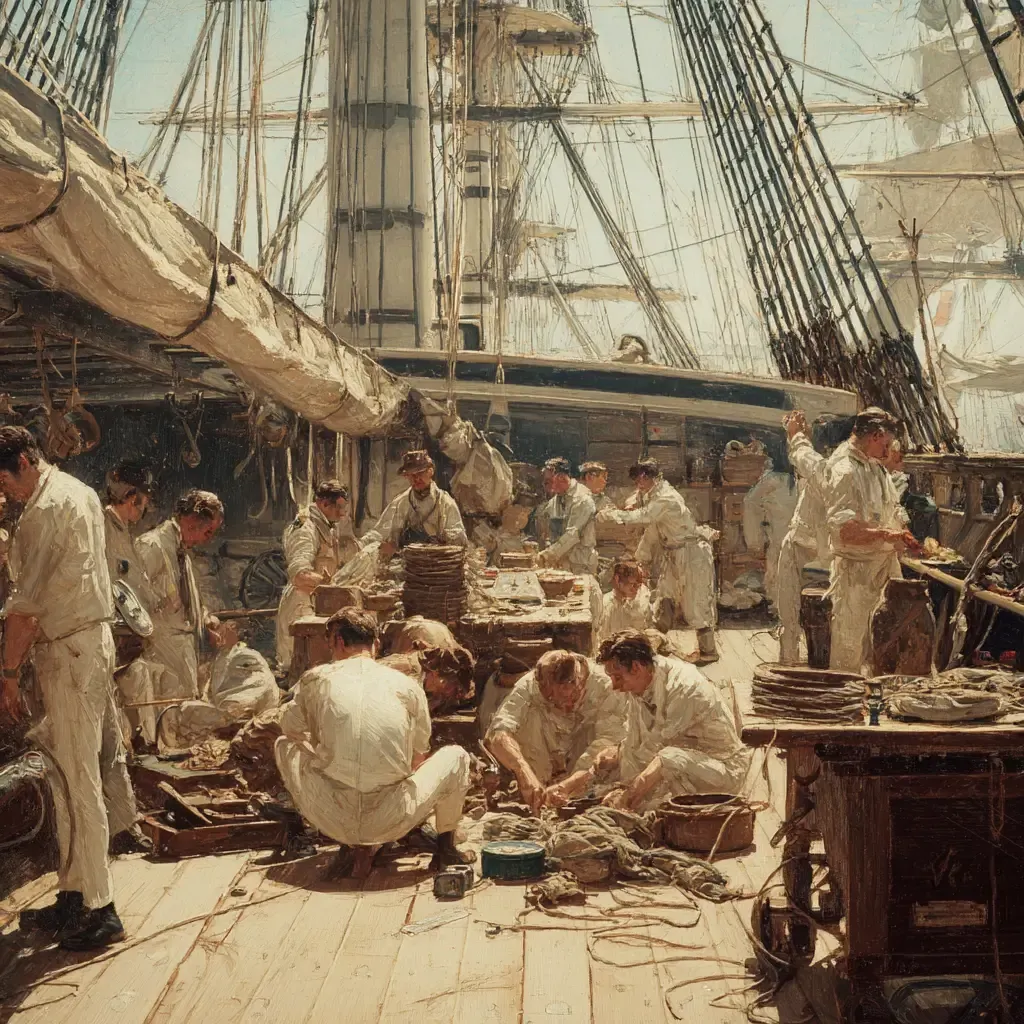
Make and mend was the half-day the Navy gave sailors to repair their clothing and gear. Mend what was fraying. Stitch what had torn. Tend to the things that kept you functional. In practice, it became something more than maintenance — it was rest, reflection, a moment of unstructured time inside an otherwise relentless operational tempo.
The ship didn't pause. The sea didn't get calmer. The enemy didn't take the afternoon off.
But the institution recognized something essential: the people running the ship needed time to maintain themselves, or eventually they couldn't maintain anything else.
We have forgotten this entirely.
Fix on Fail
The modern professional — and the change practitioner specifically — has become a fix-on-fail resource.
You know what fix on fail means. It's the maintenance philosophy where you don't service equipment on a schedule. You run it until it breaks, then you fix it. It's cheaper in the short term. It's catastrophic in the long term. And it's exactly how most of us now manage ourselves.
We respond to crises. We clear inboxes. We prepare for the next meeting while still in the current one. We defer the reading, the thinking, the learning, the connecting — all the things that don't have a deadline — until some future moment of calm that never quite arrives.
AI has made this worse in ways we haven't fully reckoned with yet.
The pace of change in our field has always been fast. But there is a difference between fast and discontinuous. What's happening now isn't acceleration along a familiar curve. It's a structural disruption to the work itself — what it means to be a practitioner, what skills still matter, what organizations will expect of us in three years versus today. That kind of change requires more processing time, not less. More reflection, not less. More conversation with people who are navigating the same terrain.
Instead, we're giving it less.
Because the urgency is real, the calendar is full, and the things that feel like they can wait always wait first.
Until you realize you've lost the ability to see what's coming.
What You Lose When You Skip It
There's a specific kind of professional deterioration that comes from running without make and mend time. It doesn't happen all at once. It accumulates.
First, you lose your sensemaking capacity. The ability to spot patterns, read organizational dynamics, anticipate what's going to happen before it happens — that's not a passive skill. It requires regular inputs from outside your immediate environment. When you stop consuming ideas, talking to people outside your current project, or even just giving your brain space to process what you've already experienced, the pattern recognition atrophies. You start being surprised by things you should have seen coming.
Second, you lose your resilience. Not dramatically. Gradually. You handle the first crisis fine. The second one fine. By the fifth, you're managing rather than leading. By the tenth, you're just reacting. The practitioner who was known for staying calm in difficult situations becomes the one who is visibly worn down by them. This isn't a character failure. It's a maintenance failure.
Third — and this one is harder to name but practitioners feel it acutely — you lose your inspiration. The thing that made you good at this work, the genuine curiosity about human behavior and organizational dynamics, the satisfaction of helping something complex actually work, that gets buried under the weight of execution. You start going through motions you used to care about. The work doesn't change. Something in your relationship to it does.
What's left is someone who is technically still performing but is becoming increasingly brittle, increasingly reactive, and increasingly disconnected from why they chose this work in the first place.
That is not an inevitable outcome of a demanding career.
It is the predictable outcome of skipping make and mend.
Future Friday
I'll tell you what I do, because I think it's more useful than a framework.
I block Friday mornings. I call it Future Friday, and it is non-negotiable on my calendar regardless of what else is happening.
Part of that time is learning. I have a queue — YouTube videos on emerging technology and ideas, articles I've flagged throughout the week because they looked interesting but I didn't have the time to read in the moment, anything that caught my attention but got deferred. Friday morning is when the queue gets processed. Not all of it. Enough of it to stay oriented to what's happening beyond the walls of my current work.
Part of it is networking. I schedule calls on Fridays — not because I need something, not because I'm looking for work, not because there's an agenda. Because staying in relationship with people in my field requires regular attention whether or not there's an immediate transactional reason to reach out. The practitioners I've watched struggle most during difficult career moments are the ones who only invest in their network when they need it. That's too late. The network has to be tended continuously.
Part of it is mentoring. I spend time on Fridays helping people who are earlier in their careers — answering questions, making introductions, talking through problems. This is not altruism for its own sake. It is how I pay back the people who helped me. I pay them back by paying it forward. It also, as it turns out, keeps me sharp. You cannot explain what you know to someone else without clarifying it for yourself.
Future Friday is my make and mend.
It is not always perfectly protected. Some weeks the calendar gets compressed. Some Fridays get complicated by things that can't be moved. But the intention is structural, not aspirational. It exists on my calendar as a recurring commitment, not as a thing I do when I get around to it. That difference matters.
The Permission Problem
Most practitioners know they should be doing this. They don't need to be convinced. They need to be given — or more accurately, to give themselves — permission.
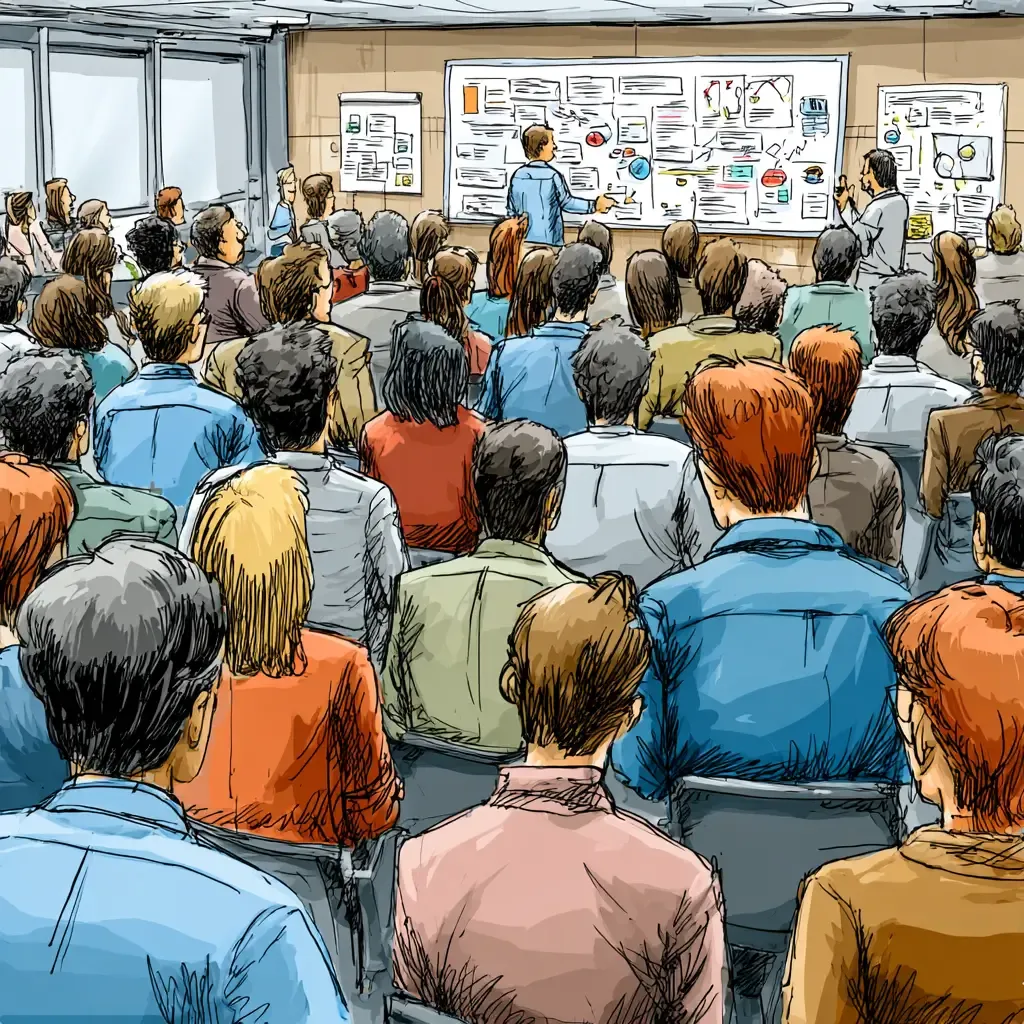
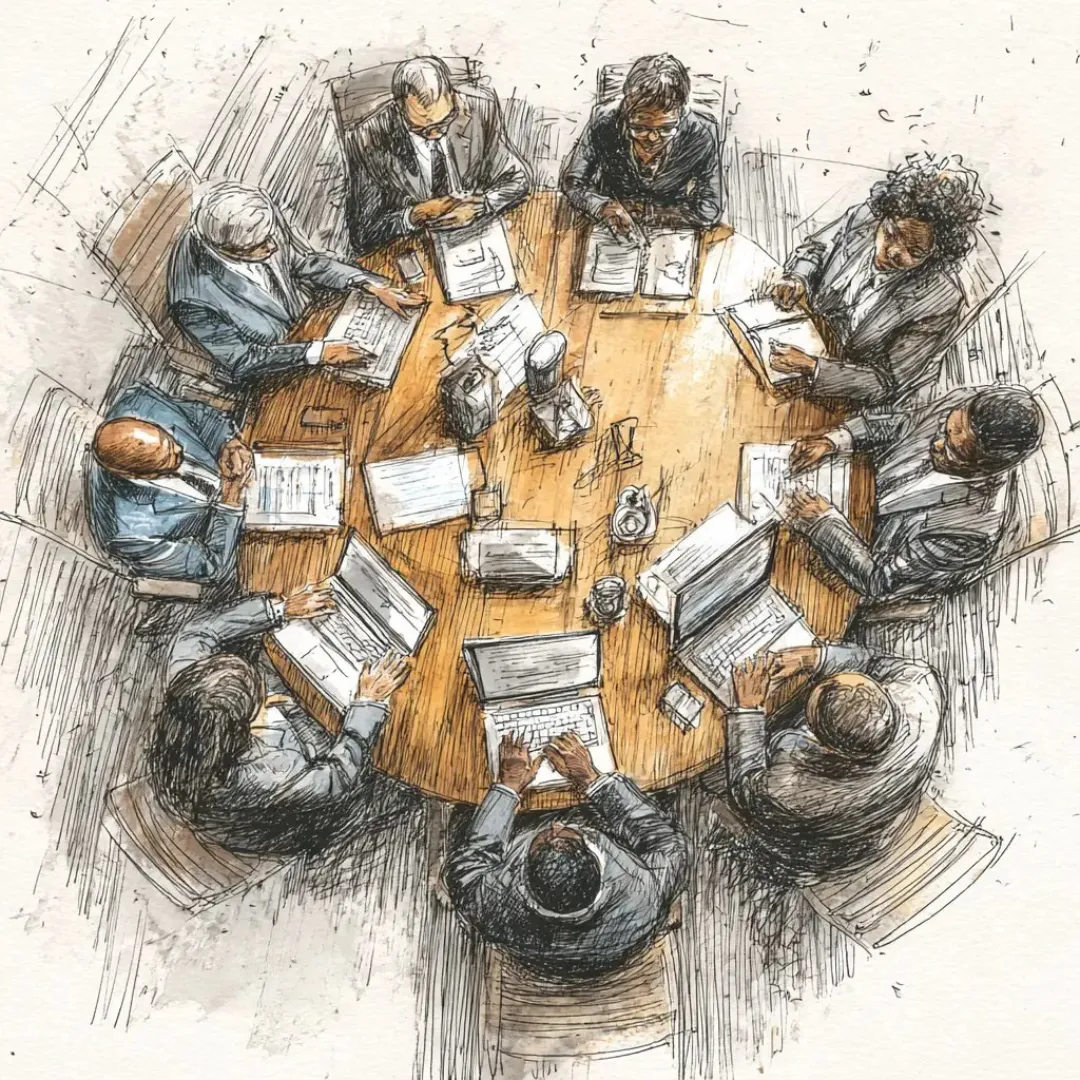
We work in environments that reward visible productivity. Being in meetings. Responding quickly. Producing deliverables. Make and mend time looks, from the outside, like unproductive time. It doesn't generate a slide deck. It doesn't check a box on a project plan. In some organizational cultures, it can feel almost transgressive to protect your own calendar against the machinery of constant execution.
The organizational incentives are real. I'm not dismissing them. But here's what I've come to believe after twenty-five years of watching practitioners thrive or slowly burn out: the ones who stay sharp, stay relevant, and stay resilient over the long arc of a career are almost universally the ones who figured out some version of this. They have a practice. It has structure. They protect it imperfectly but persistently.
The ones who skip it indefinitely eventually become the fix-on-fail cautionary tale.
Your Version
I'm not prescribing Friday. I'm not prescribing morning. The specific container matters less than the commitment.
What make and mend requires is a recurring block of time — weekly, at minimum — that belongs entirely to your own development, maintenance, and connection. Not to your employer's deliverables. Not to your clients' needs. To the long-term functioning of the practitioner you're trying to remain.
In that time: consume something that isn't directly related to your current work. Have a conversation that isn't transactional. Help someone who needs what you have. Rest your operational brain and let the pattern-recognition part run for a while.
The Royal Navy, in its rough and practical wisdom, understood that even the most essential piece of equipment needs regular maintenance. The sailors who kept a warship moving across thousands of miles of open ocean were not a renewable resource. They were human beings with a finite capacity that required tending.
So are you.
Make and mend isn't a luxury. It isn't self-indulgence. It isn't something you earn after you've finished everything else — because you will never finish everything else.
It is how you stay seaworthy.
ChangeGuild: Power to the Practitioner™