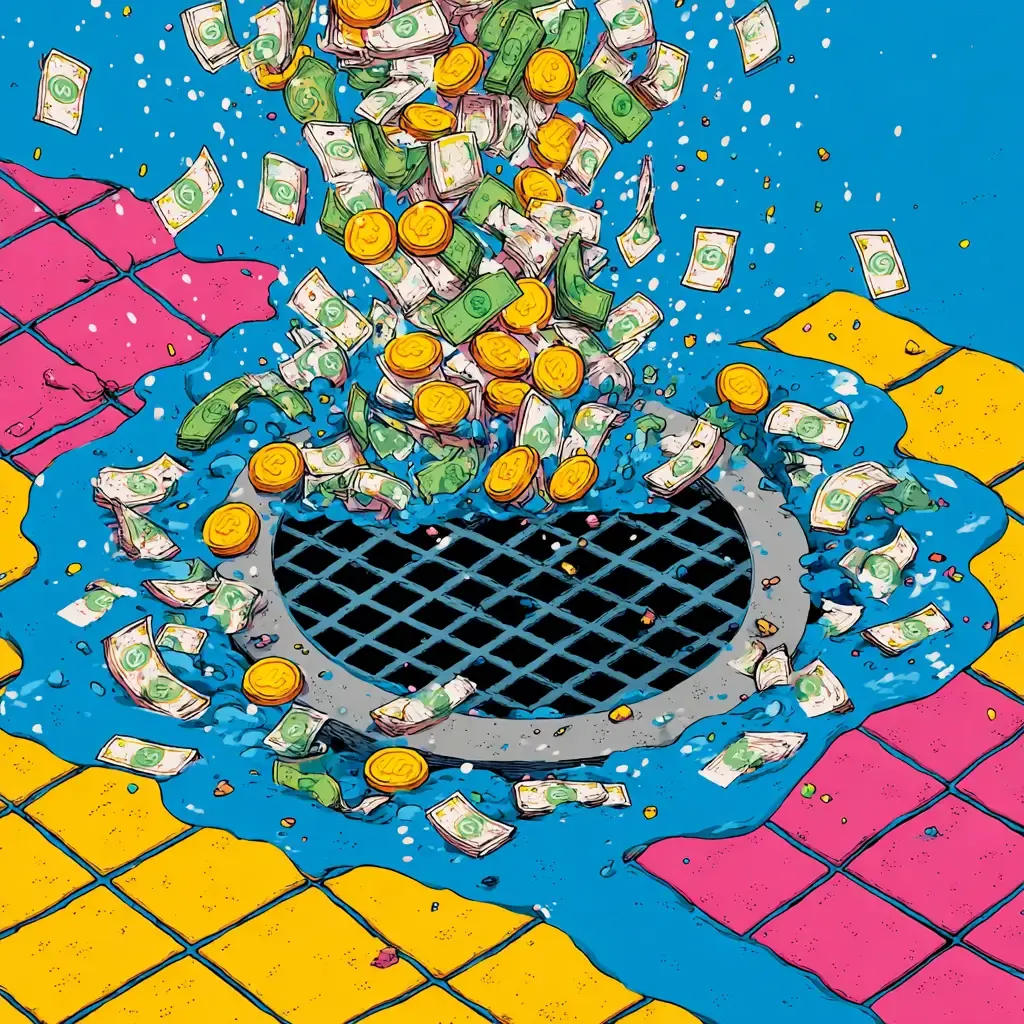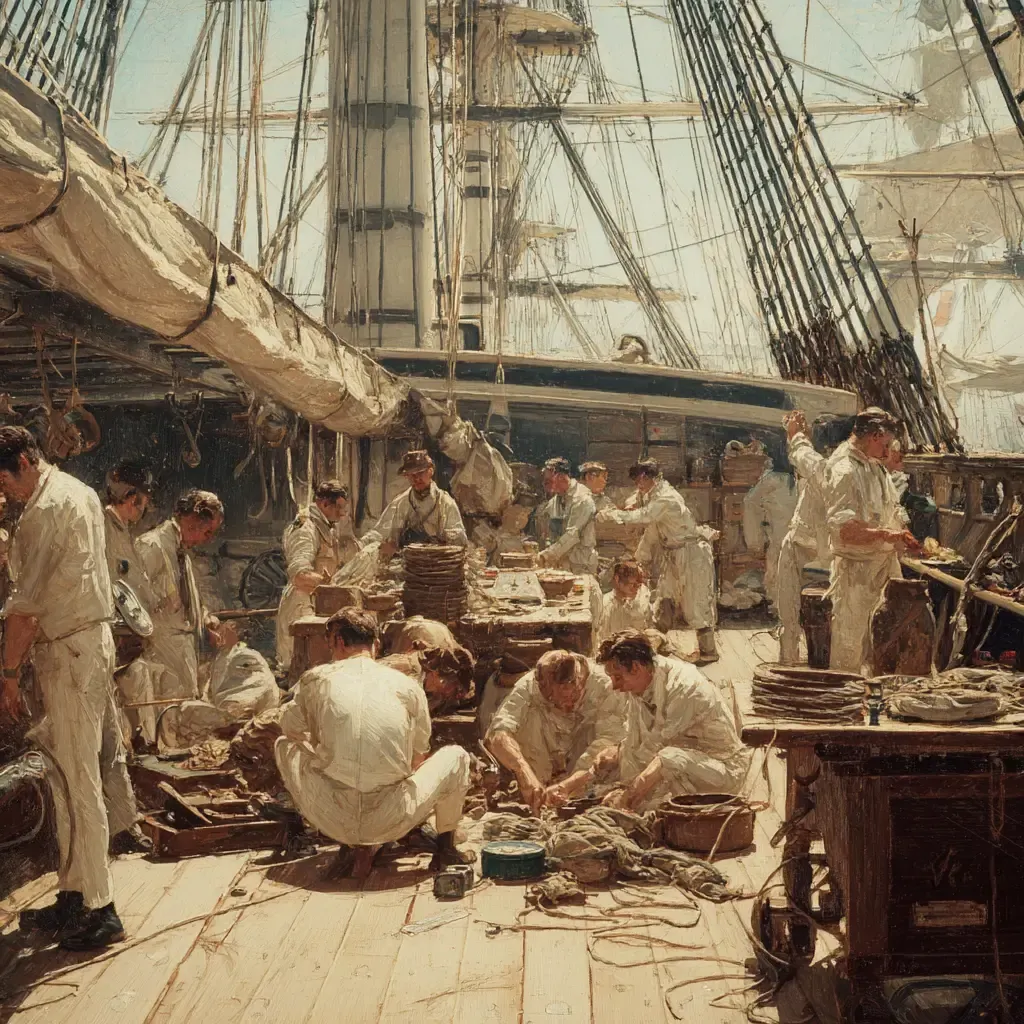
TL;DR: Year-end recaps celebrate what can be measured. This one looks at what could not. Behind every milestone this year was unplanned practitioner labor that absorbed risk, stabilized people, and kept change moving.
At the end of the year, every app wants to summarize your life.
How many hours you listened.
How many steps you took.
How many emails you sent.
What you watched.
What you skipped.
You are handed clean stories with tidy numbers.
They are satisfying because they feel complete.
Work rarely offers that luxury.
There is no year-end recap for the moments that defined your role:
• The decision that landed without context
• The timeline that moved without warning
• The leader who changed direction mid-sentence
• The team that needed steadiness more than answers
These moments are not captured because they are not considered output.
And yet, they shaped everything.
What the Roadmap Told You to Expect
Most change plans come with familiar promises.
Clear phases.
Aligned leadership.
Defined scope.
Predictable resistance.
Enough time to do the work properly.
The roadmap assumes a stable system.
It assumes the organization behaves rationally under pressure.
It assumes people change in sequence, not all at once.
This year quietly invalidated those assumptions.
What You Actually Unwrapped Instead
What arrived instead was not on the plan.
You unwrapped:
• Late-stage reversals framed as agility
• Capacity gaps disguised as stretch goals
• Emotional volatility mislabeled as resistance
• Political risk passed downward for containment
• Ambiguity treated as someone else’s problem
None of this was scoped.
None of it was staffed.
All of it landed on practitioners.
Not because it was assigned.
Because you were closest to the blast radius.
The Roles You Played Without Being Asked
Practitioners did not just execute change this year.
You stabilized systems that were actively destabilizing themselves.
You became:
- The Translator
Turning executive intent into language teams could survive. - The Shock Absorber
Catching the impact of decisions made too late to undo. - The Regulator
Managing emotional escalation so work could continue. - The Historian
Remembering why decisions were made when the narrative shifted. - The Patch
Holding broken seams together long enough for progress to look intentional.
None of these roles appear on org charts.
All of them prevented failure.
Why This Work Stayed Invisible
Because invisible work does its job quietly.
When it succeeds, nothing breaks.
When it fails, the practitioner is blamed.
There are no metrics for:
• Trust preserved
• Panic diffused
• Context reconstructed
• Fatigue absorbed
So the story becomes:
“The change side was straightforward.”
What actually happened was that someone made it so.
The Unspoken Cost to Practitioners
This kind of work extracts a toll.
It demands constant vigilance.
It requires emotional regulation without recovery time.
It erodes confidence because the effort never receives confirmation.
When work feels harder than advertised, practitioners turn inward.
They assume they are missing something.
They assume others are coping better.
They assume competence should feel cleaner.
That assumption is wrong.
The difficulty was not personal.
It was structural.
What This Year Revealed About Change Work
This year made something unmistakable.
Change is no longer a phase.
Stabilization is no longer optional.
Sense-making is now core infrastructure.
And practitioners are carrying far more than their roles acknowledge.
Not because they overreached.
Because someone had to.
Power to the Practitioner Means Naming the Real Work
Power does not come from pretending this work is lighter than it is.
It comes from naming it.
From refusing the narrative that invisible labor is incidental.
From recognizing stabilization as a skill, not a personality trait.
From acknowledging that holding systems together is not a side task.
It is the work.
Final Thought
If your year feels heavier than the roadmap suggested, it is not because you failed to plan well.
It is because you unwrapped responsibilities no one warned you about.
And you carried them anyway. That is not a deficit.
That is where real change power lives.
ChangeGuild: Power to the Practitioner™
Now What?
- Name the Work While It Is Happening
Do not wait for retrospectives that sanitize reality.
When you are stabilizing, translating, or absorbing risk, label it in real time using plain language.
“I’m spending time stabilizing the team after the direction change.”
Naming work makes it discussable and harder to dismiss later. - Start Tracking What You Are Absorbing, Not Just What You Deliver
Create a simple running log.
Decisions inherited. Context rebuilt. Emotional escalation managed.
This is not for reporting. It is for pattern recognition and self-advocacy when scope and capacity are questioned. - Convert Invisible Labor into Explicit Trade-Offs
When new work appears, surface the cost.
“If I take this on, X will slow or stop.”
This is not resistance. It is operational clarity.
Power grows when trade-offs are visible. - Protect a Stabilization Boundary
Not everything urgent is yours.
Decide what kinds of volatility you will contain and what must be redirected upward.
Stabilization is a skill, not a default setting. Use it intentionally. - Reframe Your Value Internally
Stop describing your role only in deliverables.
Describe it in outcomes prevented.
“Keeping momentum during ambiguity.”
“Preventing rework during late pivots.”
This is how invisible work becomes recognized work.
Frequently Asked Questions
Is this article saying roadmaps are useless?
No. Roadmaps still matter. The problem is that they routinely exclude the stabilization, translation, and emotional labor required to make them viable. This article calls out the gap between planned work and lived work.
Why does so much invisible work fall on change practitioners?
Because practitioners sit closest to impact. When decisions land late or conditions deteriorate, the work defaults to whoever understands both the system and the people inside it. That is usually the practitioner.
Is this just another way of describing burnout?
Burnout is an outcome, not the cause. What this article describes is structural overload. When unplanned work becomes permanent and unacknowledged, exhaustion is predictable, not personal.
How can practitioners make invisible work visible without sounding defensive?
By naming it neutrally and early. Framing work as stabilization, risk containment, or context rebuilding makes it operational rather than emotional. Visibility starts with language, not justification.
What does “Power to the Practitioner” mean in this context?
It means recognizing that practitioners already hold real power through sense-making, containment, and recovery work. The next step is learning to name, protect, and advocate for that power instead of quietly spending it.
Is this only relevant to senior practitioners?
No. Junior practitioners often feel this pressure more acutely because they have less authority to set boundaries. The patterns described here affect anyone asked to “just help” when conditions break down.
What should leaders take from this?
That successful change often depends on work they never see. If organizations want sustainable outcomes, they must acknowledge, resource, and legitimize the stabilization work practitioners already provide.
This post is free, and if it supported your work, feel free to support mine. Every bit helps keep the ideas flowing—and the practitioners powered. [Support the Work]